
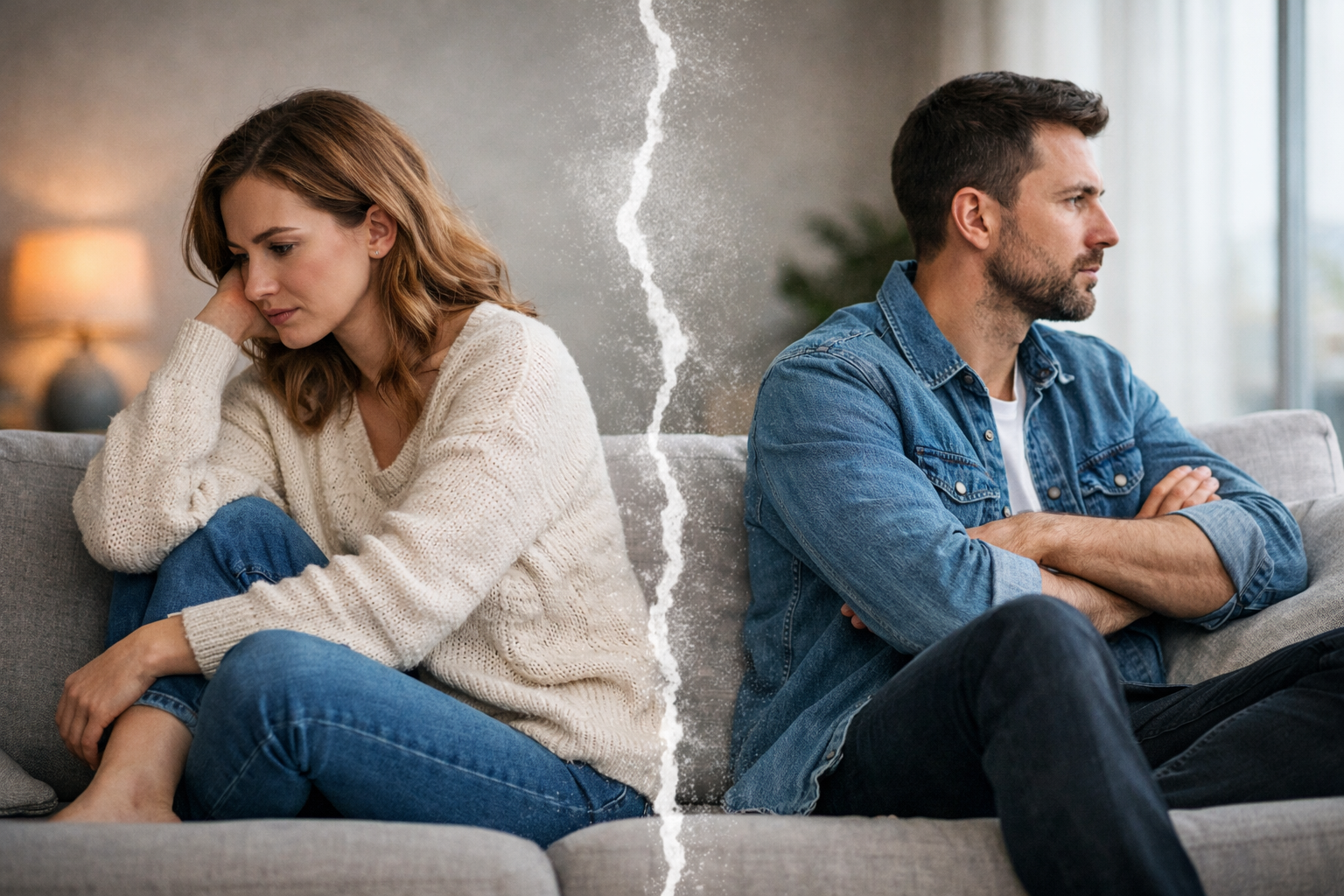
Have you ever felt like a relationship was going beautifully… and then suddenly, the other person became distant?
The texts slow down.
The warmth fades.
The closeness that felt so natural starts to feel one-sided.
For many people, this kind of emotional shift feels confusing and painful. You may even start wondering:
“Did I do something wrong?”
But often, this behavior has less to do with you — and more to do with something deeper in psychology: avoidant attachment.
In this article, we’ll explore why avoidant partners pull away when love becomes real, what’s happening emotionally beneath the surface, and how to respond in a healthy way.
What Does It Mean to Be an Avoidant Partner?
An avoidant partner is someone who values independence so strongly that emotional closeness can feel overwhelming.
They may appear confident and self-sufficient, but deep down, intimacy can trigger discomfort.
Avoidant attachment often develops when someone learns early in life that:
- emotions are not safely expressed
- closeness leads to disappointment
- relying on others is risky
So instead of moving toward connection, they move away from it.
Why Avoidant Partners Pull Away When Love Feels Real
Avoidant withdrawal is rarely random. It usually happens when the relationship reaches a deeper emotional level.
Here are the most common psychological reasons.
1. Intimacy Feels Like Loss of Control
For avoidant individuals, love can feel like losing personal freedom.
The more emotionally close the relationship becomes, the more they may feel:
- pressured
- trapped
- responsible for someone else’s emotions
Even when they care deeply, closeness can activate an internal alarm system.
So pulling away becomes a way to regain control.
2. Emotional Vulnerability Feels Unsafe
Love requires vulnerability.
But for someone with avoidant attachment, vulnerability may feel dangerous because it opens the door to:
- rejection
- dependency
- emotional exposure
Instead of leaning in, their brain protects them creating distance.
This is not a lack of love — it’s often a fear of emotional risk.
3. They Confuse Closeness With Neediness
Avoidant partners often misinterpret normal emotional connection as “too much.”
Healthy behaviors like:
- wanting reassurance
- spending more time together
- expressing feelings
can be perceived as emotional demands.
They may think:
“If I get closer, I’ll be expected to give more than I can.”
So they withdraw before they feel overwhelmed.
4. Past Experiences Shape Present Reactions
Avoidant patterns don’t appear out of nowhere.
Many avoidant individuals grew up in environments where:
- emotional support was inconsistent
- affection was limited
- feelings were ignored
They learned to self-protect becoming emotionally independent.
So even when love is available now, their nervous system still reacts as if closeness is unsafe.
5. They Struggle to Express Their Inner World
Avoidant partners often feel emotions deeply — but they don’t always know how to communicate them.
Instead of saying:
“I feel overwhelmed.”
They may show it through:
- silence
- distraction
- distancing
- shutting down
Their withdrawal is often emotional confusion, not cruelty.
6. The Relationship Feels “Too Real”
In early dating, things feel light and exciting.
But when love becomes serious — when commitment, future, or deeper bonding appears — avoidant individuals may panic internally.
They may think:
- “What if I fail?”
- “What if I get hurt?”
- “What if I lose myself?”
Suddenly, distance feels safer than depth.
Is Withdrawal Always a Sign They Don’t Care?
Not necessarily.
Avoidant withdrawal is often a sign of emotional conflict:
- they want connection
- but fear closeness
So they pull away not because love isn’t present, but because love feels intense.
That said, consistent emotional unavailability is still unhealthy — regardless of the reason.
How to Respond When an Avoidant Partner Pulls Away
If you’re dealing with emotional withdrawal, here are psychology-backed ways to respond.
1. Don’t Chase Emotionally
The more you chase, the more avoidant partners tend to retreat.
Instead of pushing for closeness, create space for calm connection.
2. Stay Grounded in Self-Respect
Avoidant behavior can trigger anxiety.
Remind yourself:
- their withdrawal is not your worth
- you deserve emotional consistency
- love should not feel like confusion every week
3. Communicate Clearly, Not Emotionally
Avoidants respond better to calm clarity than emotional intensity.
Try:
“I care about you, but I also need communication. When you pull away suddenly, it’s hard for me.”
4. Watch Patterns, Not Promises
Change requires effort over time.
If withdrawal becomes a repeated cycle with no growth, it may not be a healthy relationship dynamic.
5. Focus on Secure Connection
The goal isn’t to “fix” an avoidant person.
The goal is building a relationship where both people feel safe, present, and emotionally available.
Final Thoughts: Love Should Not Feel Like Disappearing
Avoidant partners often pull away when love feels real because closeness activates fear, not because love is absent.
Understanding the psychology helps you stop blaming yourself — but it also helps you set healthier boundaries.
The right relationship is not one where you constantly wonder where you stand.
It’s one where emotional closeness becomes safety, not distance.
Frequently Asked Questions
Why do avoidant partners come back after pulling away?
Because once they feel space again, the fear decreases — and connection feels safe again temporarily.
Can avoidant attachment change?
Yes, but only with self-awareness, emotional work, and often therapy.
Should I wait for an avoidant partner?
Only if there is consistent growth, communication, and mutual effort.